
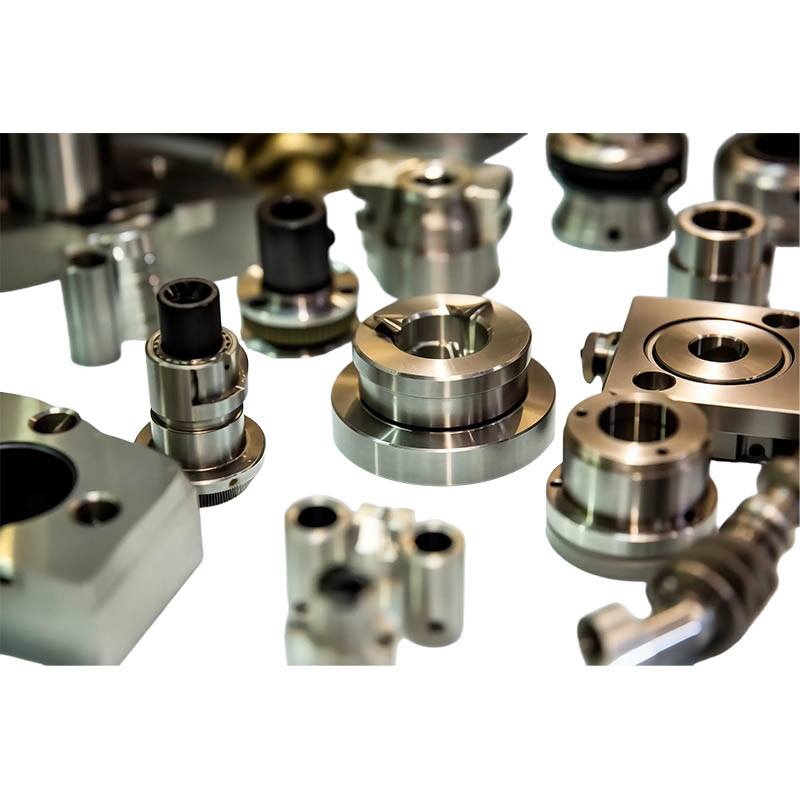
Machining these miniaturized components in medical parts machining not only requires meeting strict dimensional tolerances but also ensuring good assembly consistency and long-term stability.
In automotive parts machining, high-strength alloy materials are widely used in engines, chassis, and critical structural components due to their excellent mechanical properties.
Automated parts machining is key to improving equipment performance and reducing energy consumption. The optimal balance between these two aspects can be achieved through the coordinated design of material selection, structural optimization, and process c
Medical parts machining is a high-precision, high-risk manufacturing field, and its products directly impact patient safety and medical outcomes. Under a strict industry regulatory system, achieving end-to-end traceability from raw materials to finished p
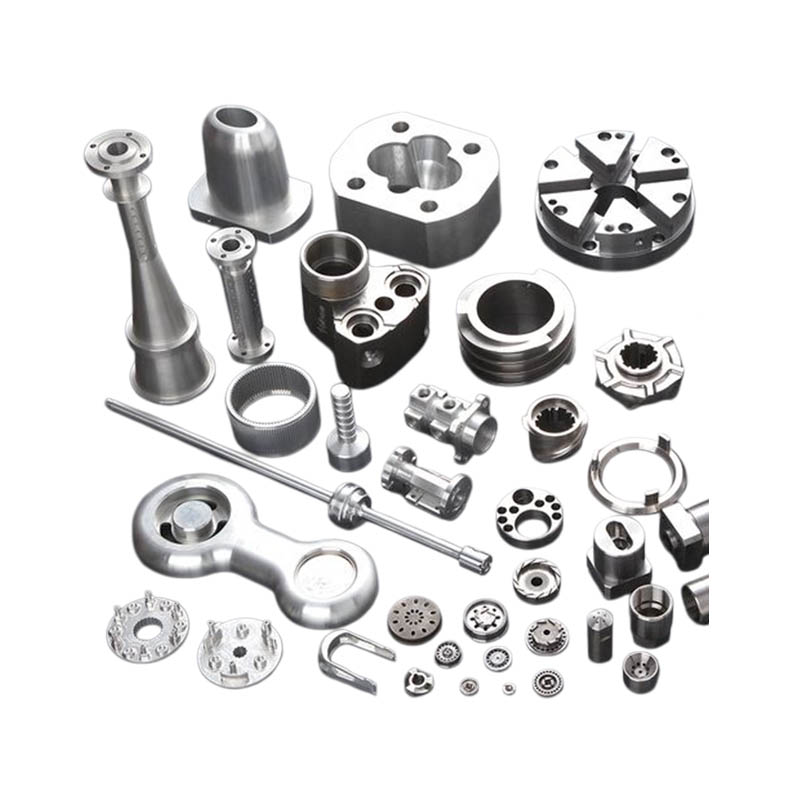
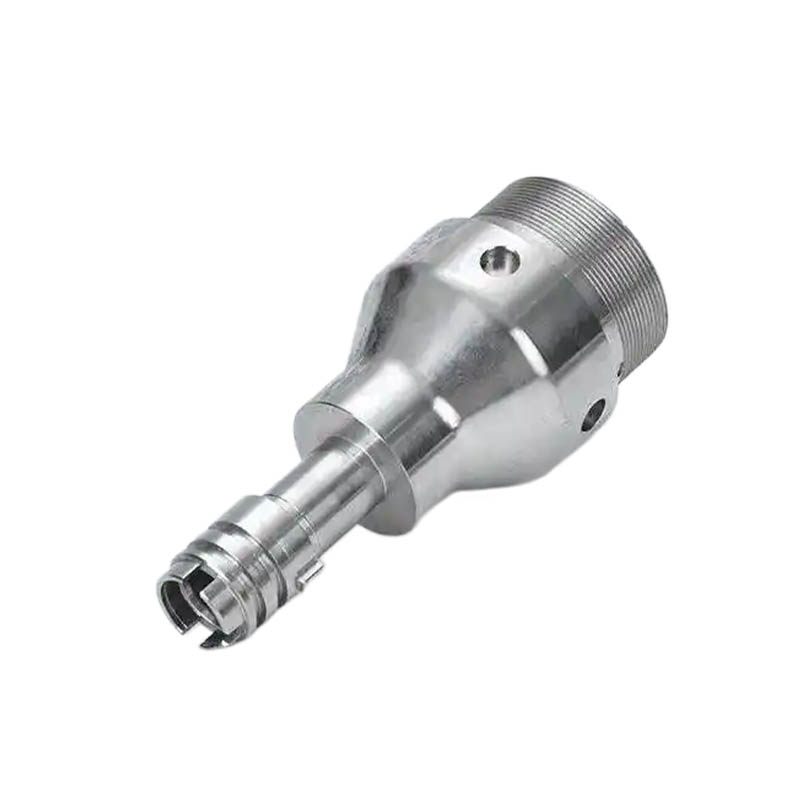
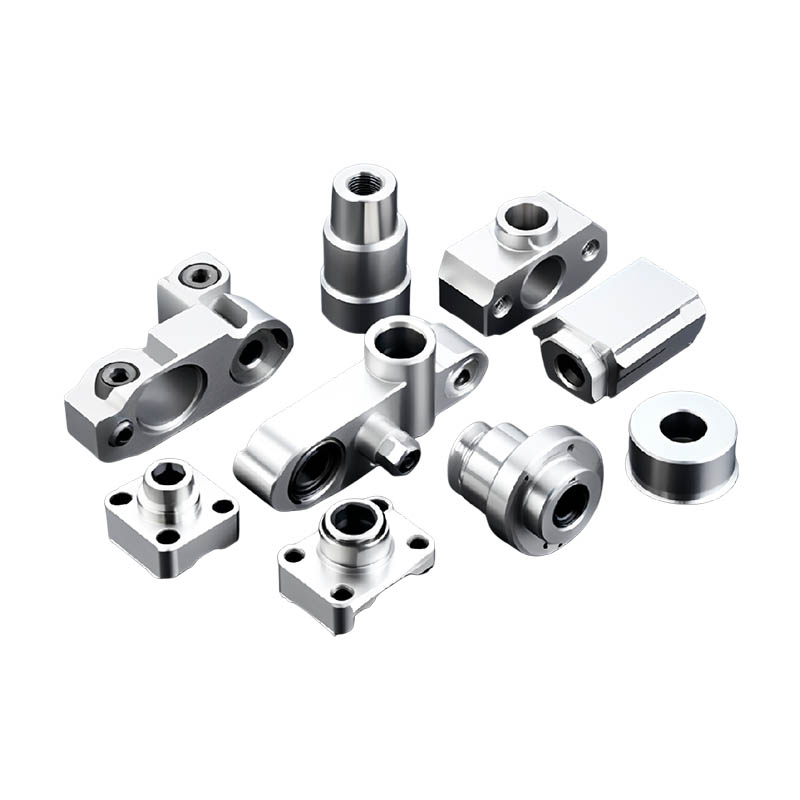
In the field of precision hardware parts machining, ensuring the machining accuracy of complex-shaped parts is an extremely challenging yet crucial task.
High-quality raw materials should have characteristics such as no oxidation or scratches on the surface and uniform thickness. These characteristics provide a good foundation for subsequent processing.