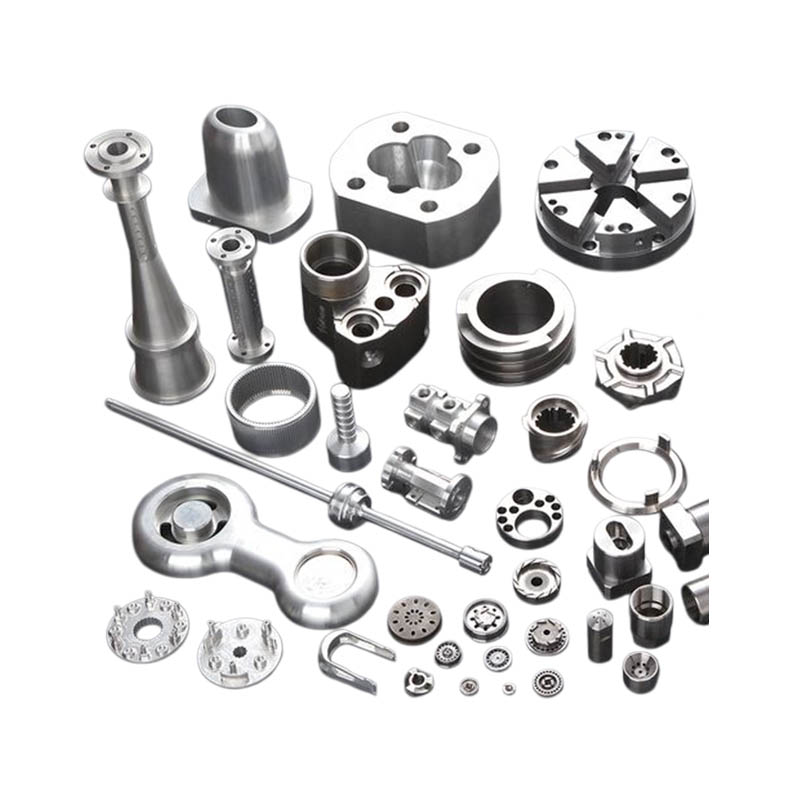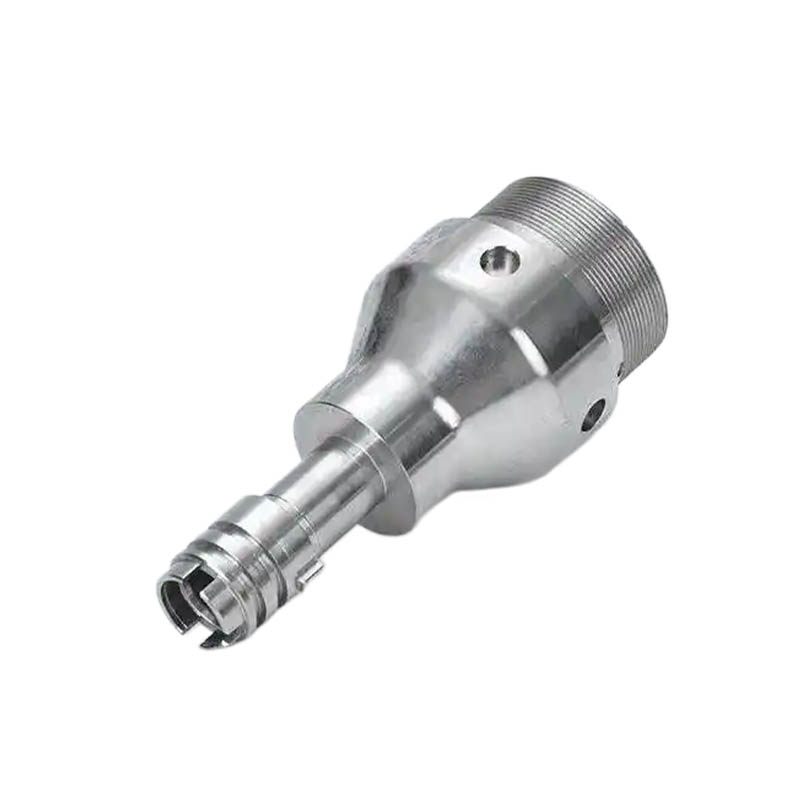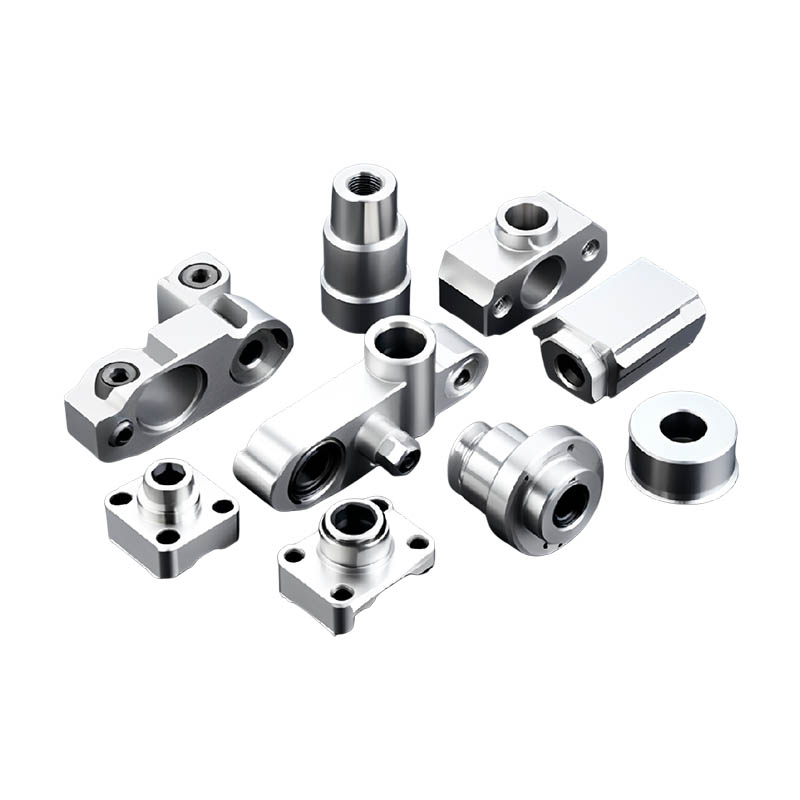

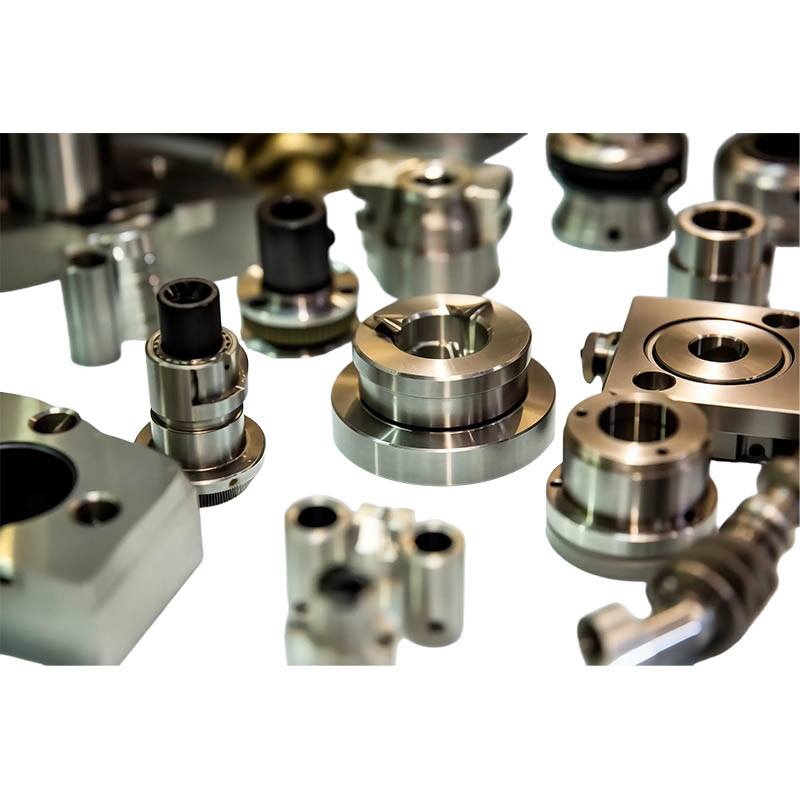
Medical parts machining, through fine surface treatment technology, achieves a seamless design, reduces the risk of bacterial residue, and improves cleaning and sterilization efficiency, providing more reliable protection for medical components.
In the vast system of modern manufacturing, countless precision mechanical and electronic devices, like precisely meshing gears, jointly drive the efficient operation of society.
With the continuous upgrading of modern medical technology, the requirements for precision components in high-end medical equipment are becoming increasingly stringent.
Machining these miniaturized components in medical parts machining not only requires meeting strict dimensional tolerances but also ensuring good assembly consistency and long-term stability.
In automotive parts machining, high-strength alloy materials are widely used in engines, chassis, and critical structural components due to their excellent mechanical properties.
Automated parts machining is key to improving equipment performance and reducing energy consumption. The optimal balance between these two aspects can be achieved through the coordinated design of material selection, structural optimization, and process c